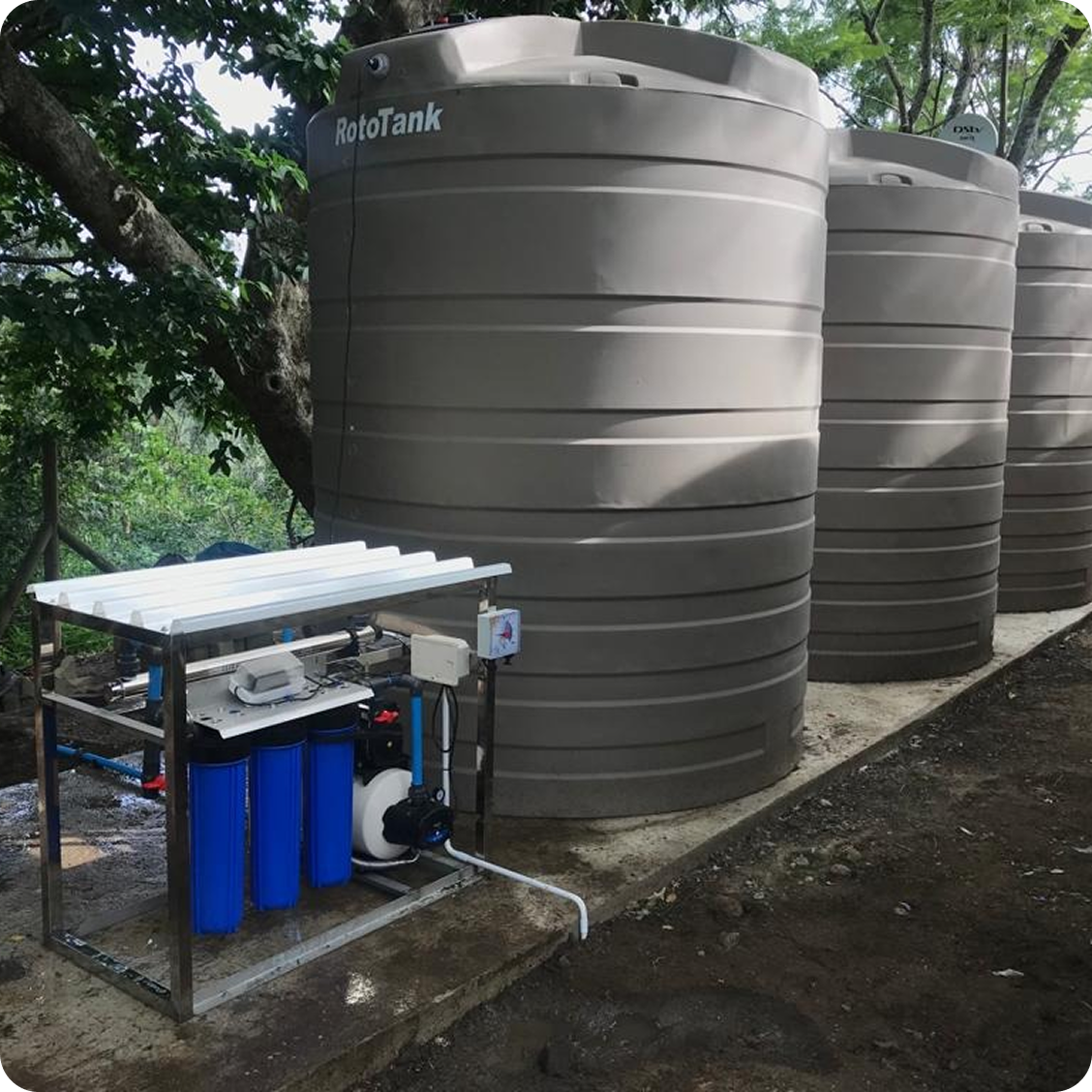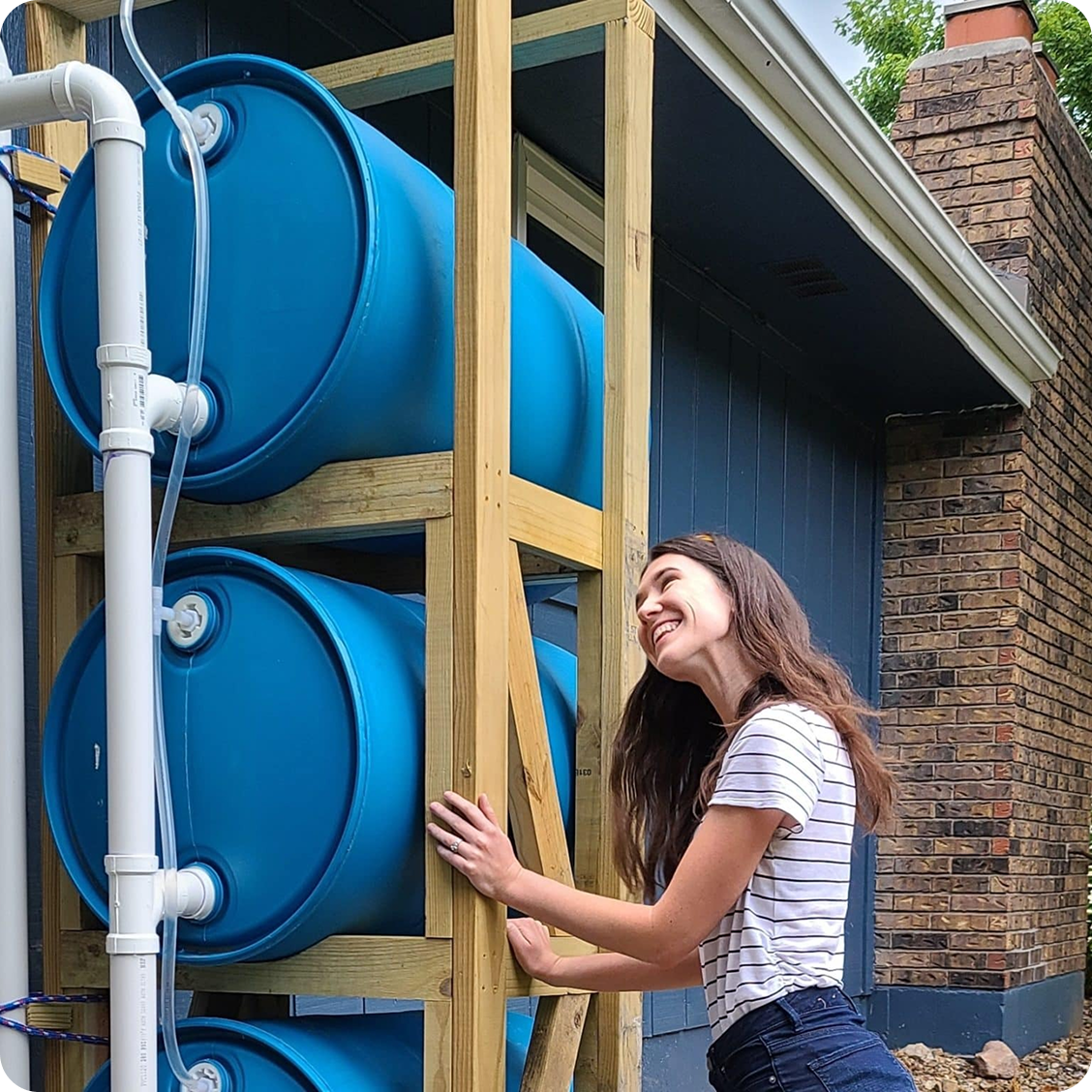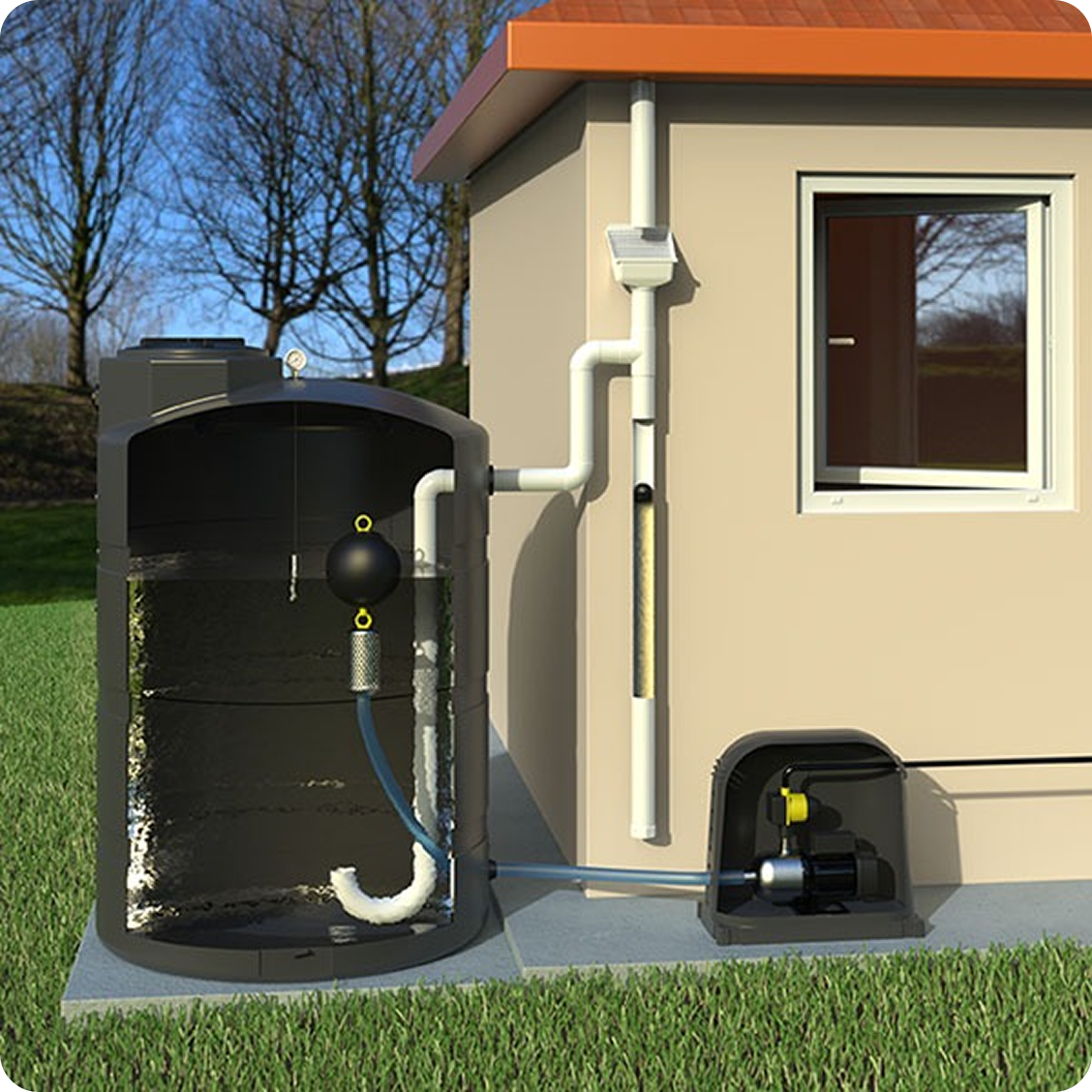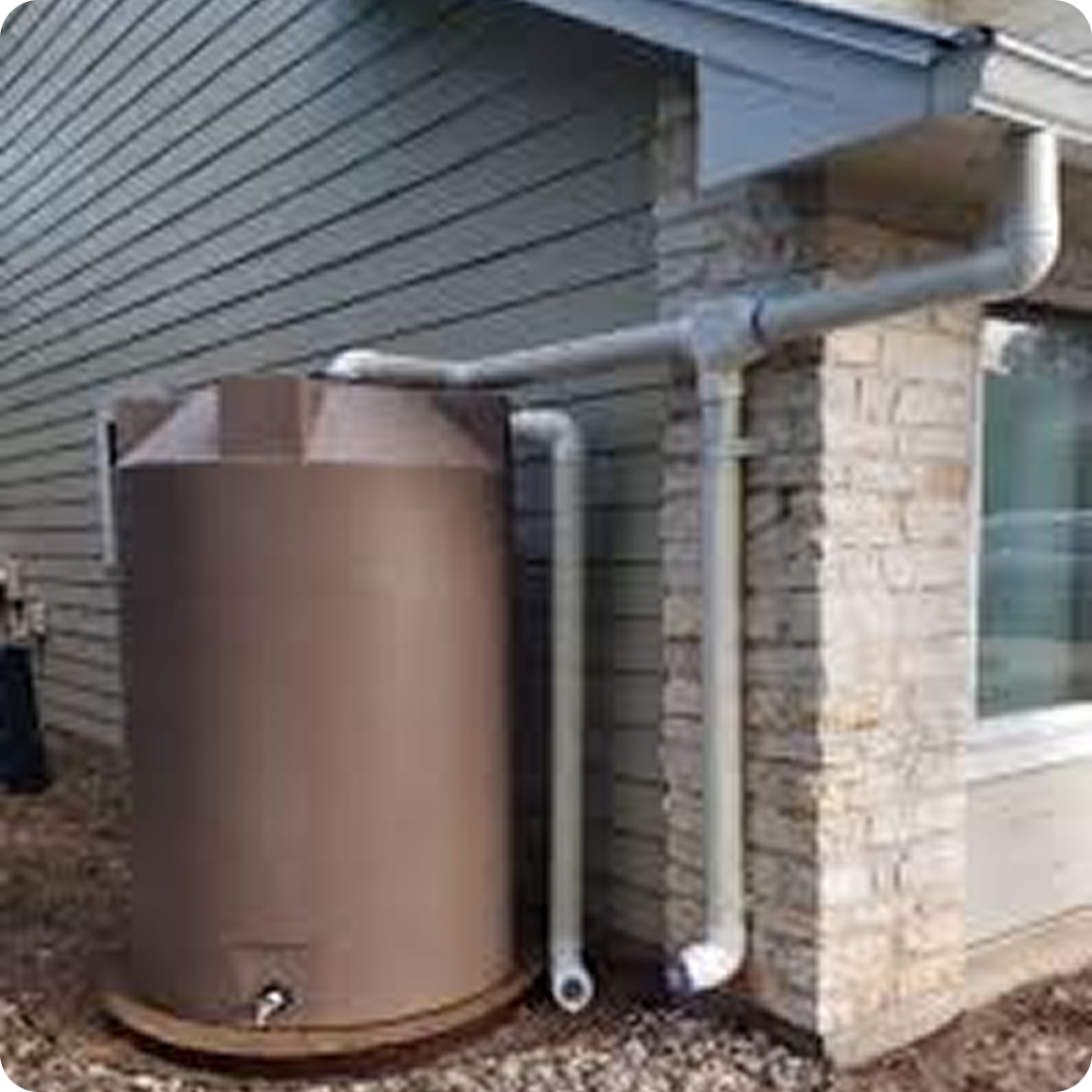
Step 1 Sprouting and downpipe
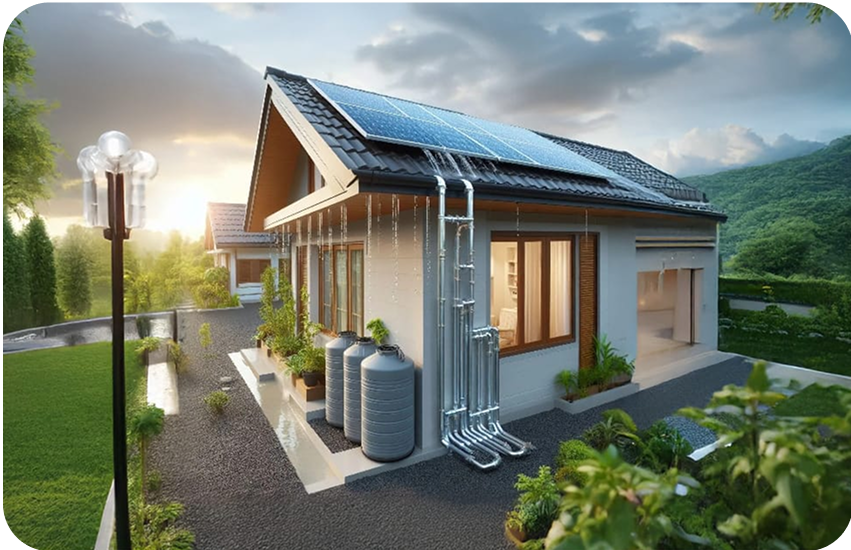
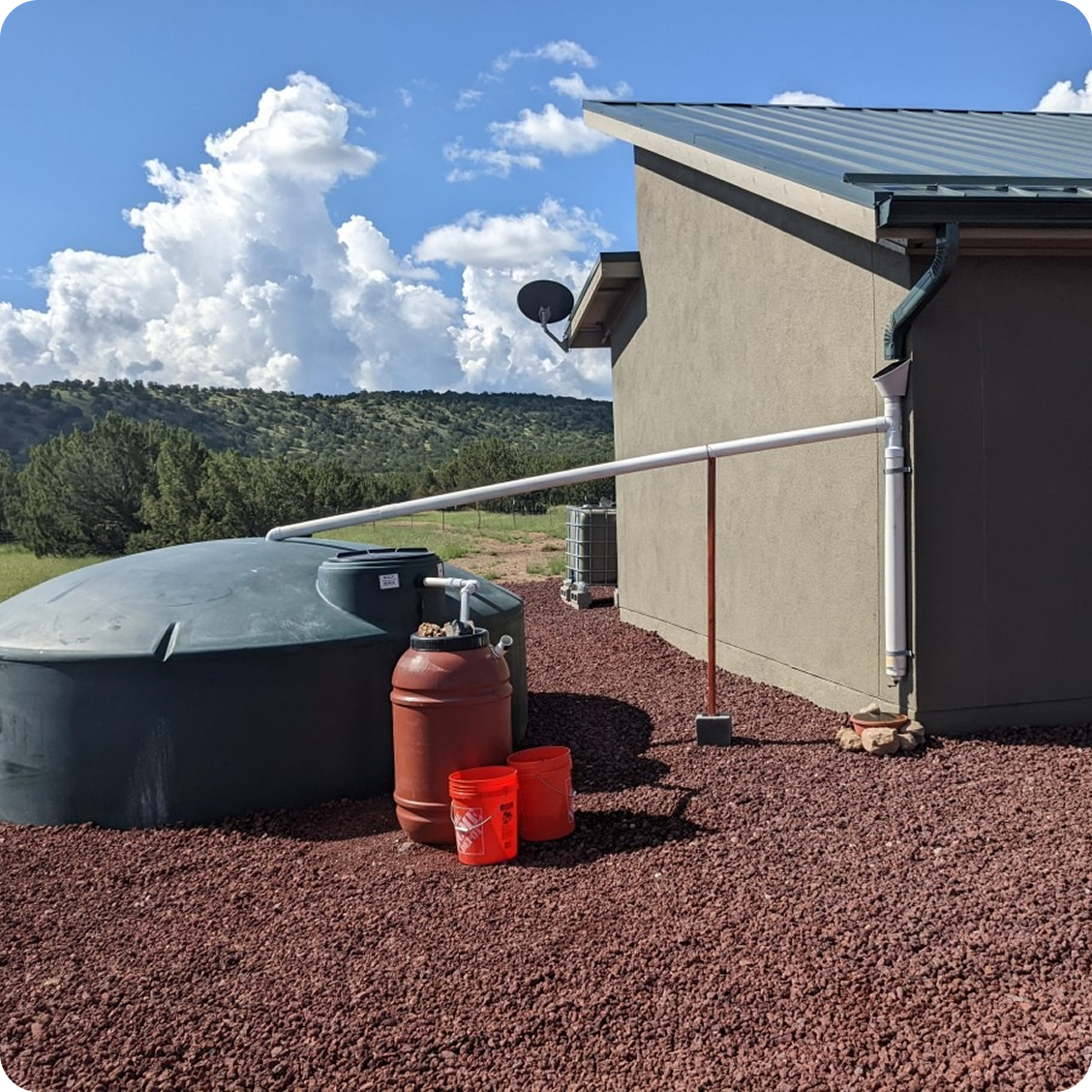
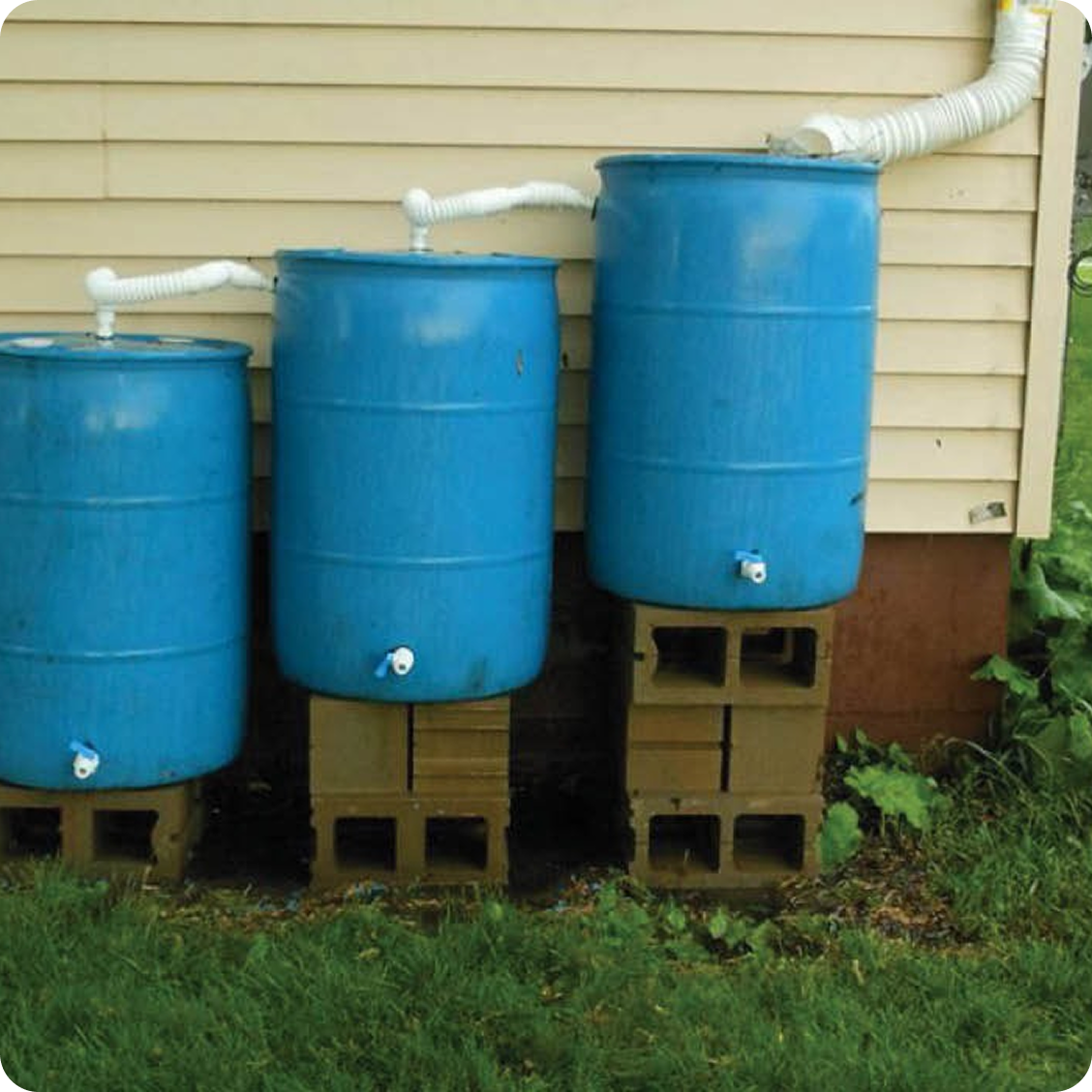
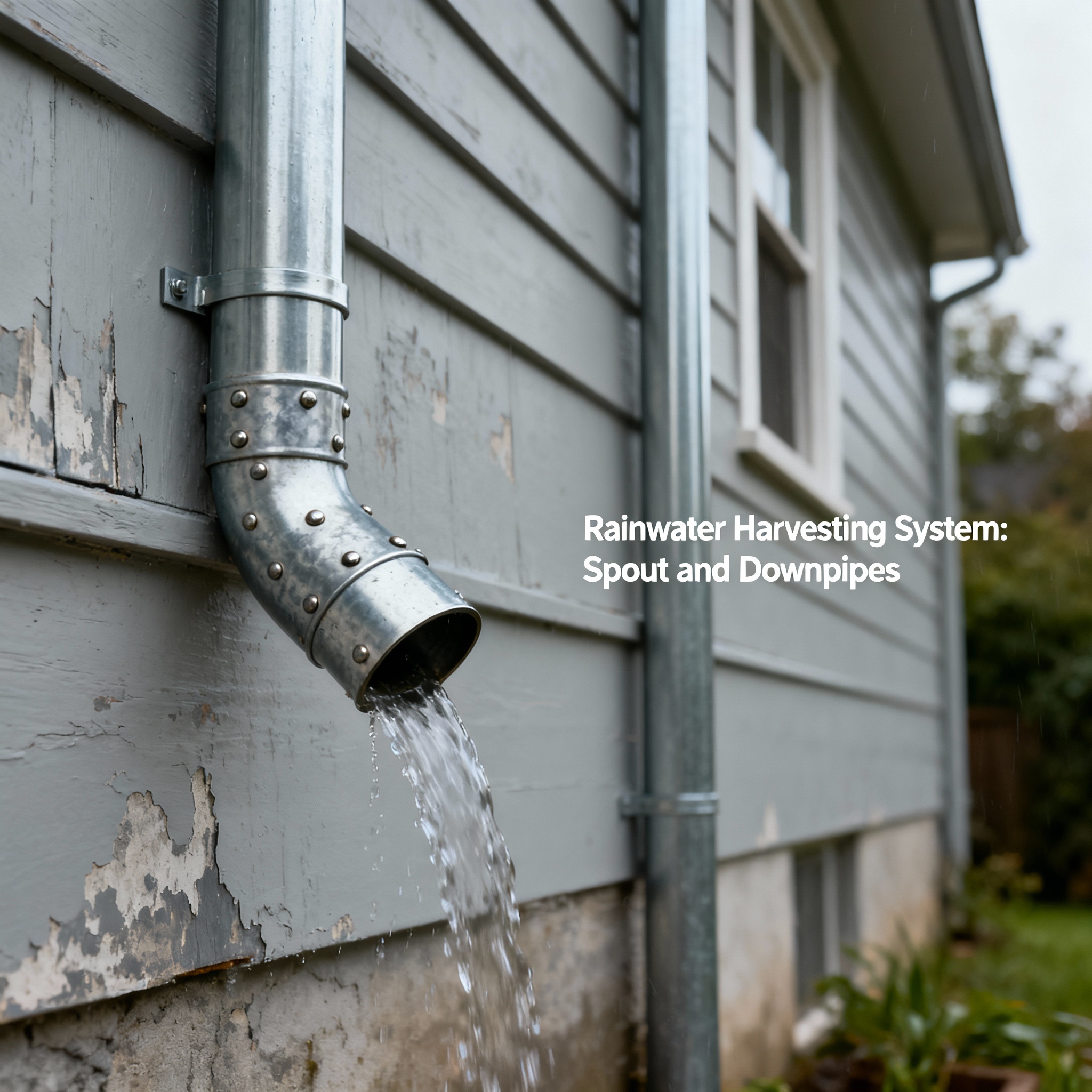
Ridge spouting and downpipes are a key component of Rain Water Harvesting System. We ensure adequate fall is provided for and the correct number including design of downpipes are installed.
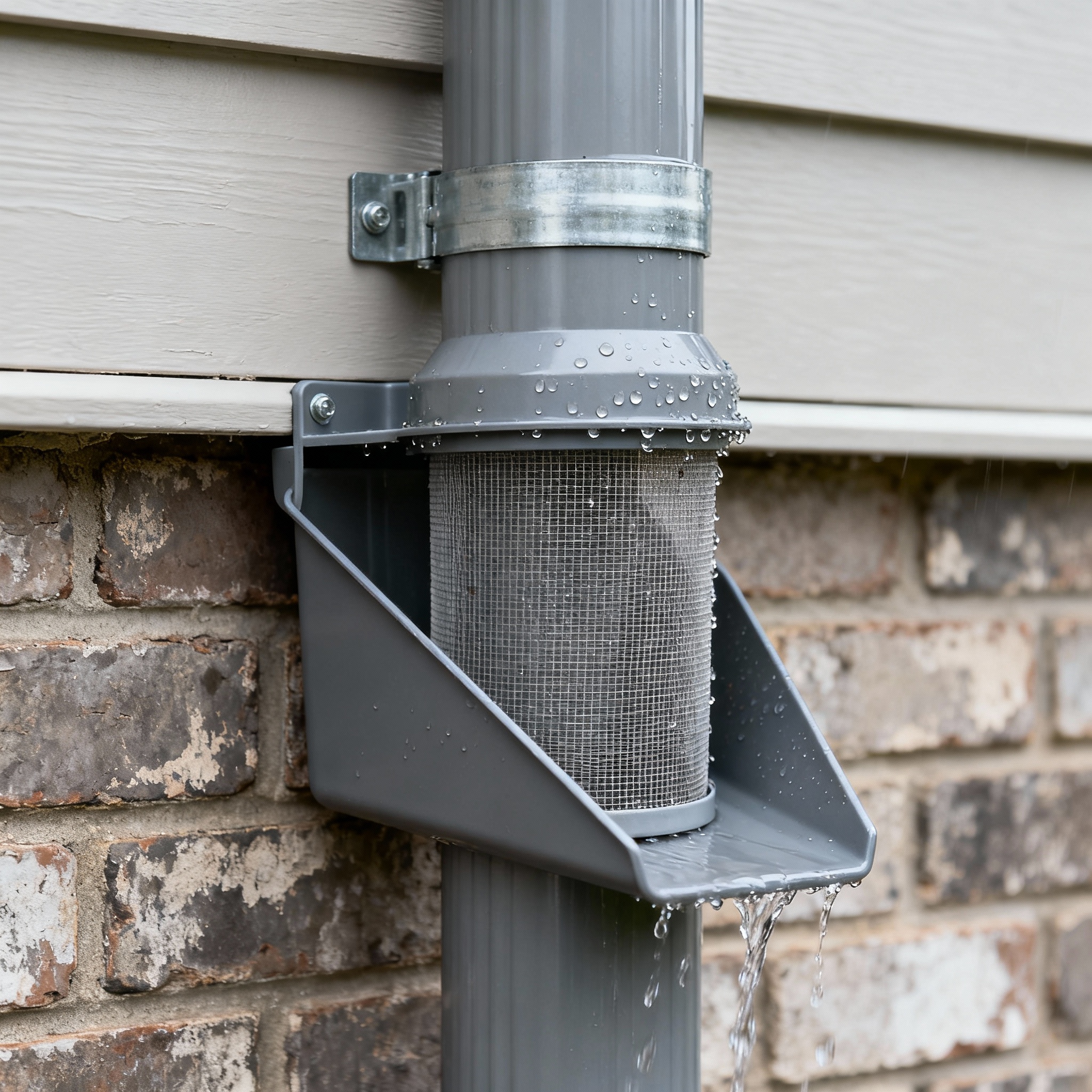
Step 2 Debris Diverter
As the water flows from a gutter it brings with it huge masses of debris with it. As water washes over the angled screen of the leaf diversion system, the debris is forced away and the water continues through the screen.
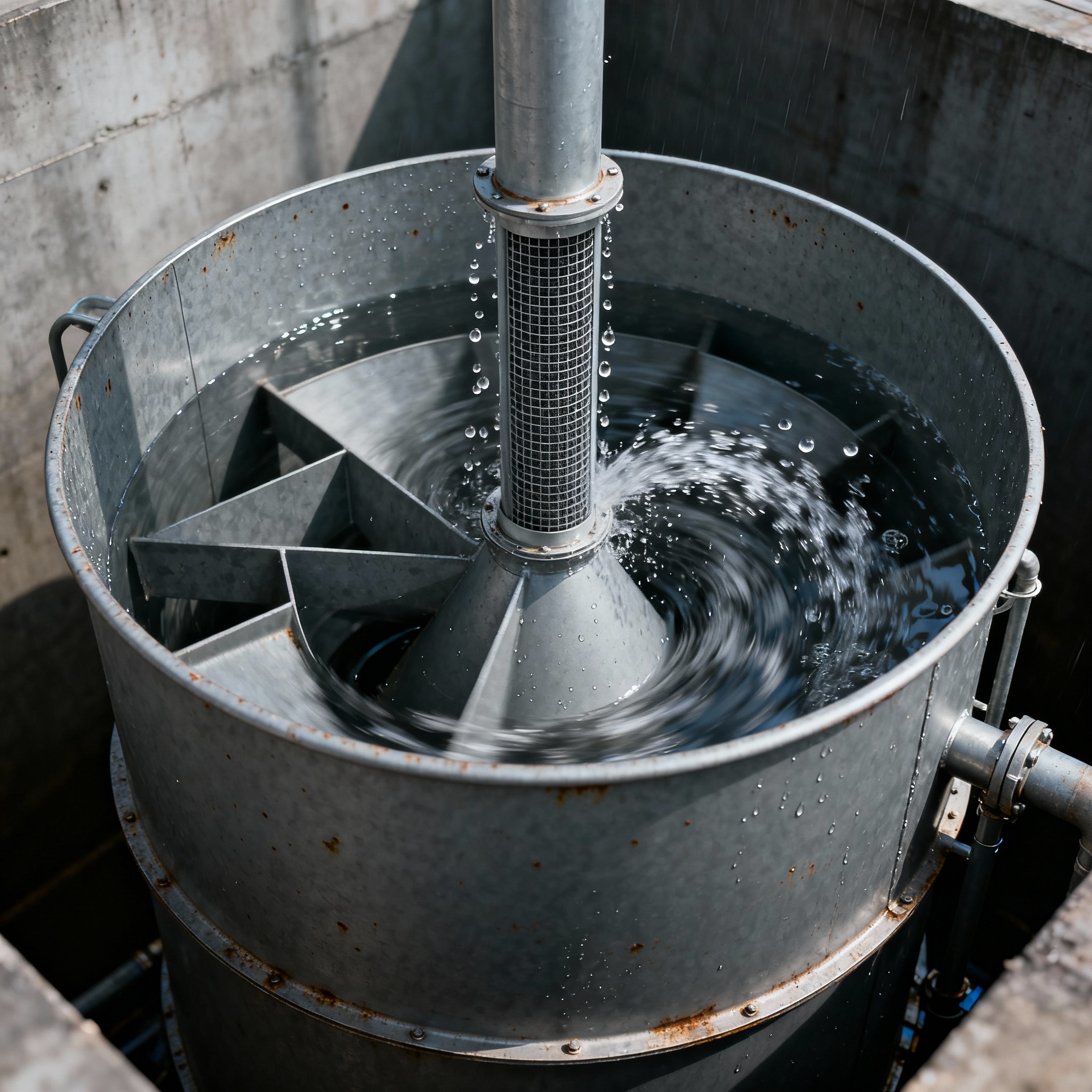
Step 3 Vortex Pre-Tank Filter
. Water is directed to a pretank filter, which removes all debris, fine leaves or insects as the flow line uses to manage the debris at a low velocity so as to work more efficiently.
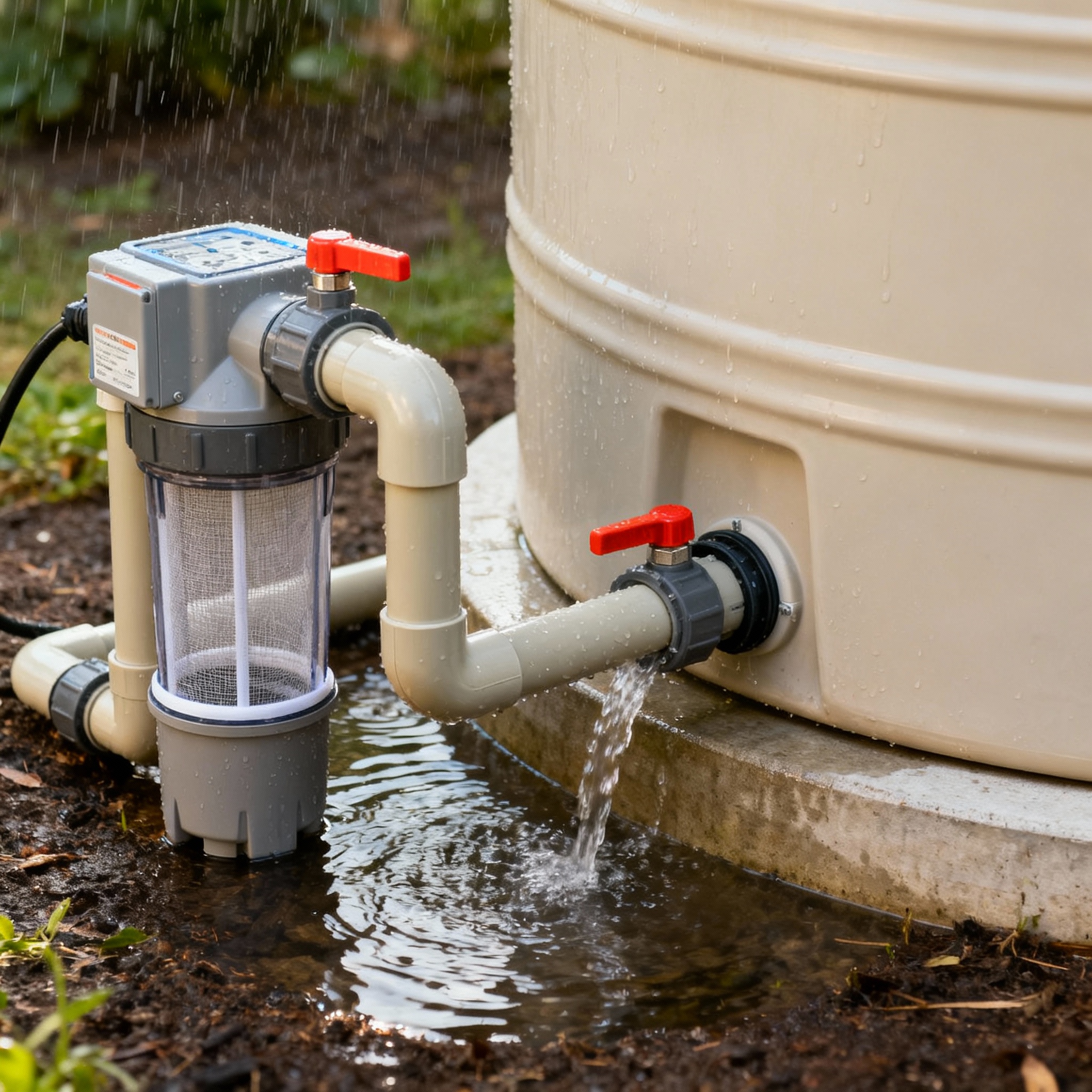
Step 4 Out Take Kit
Out-take kit is the water outlet for the house and ensures you are making the cleanest water use with the finishing agent located at the usable surface where the outlet lies.
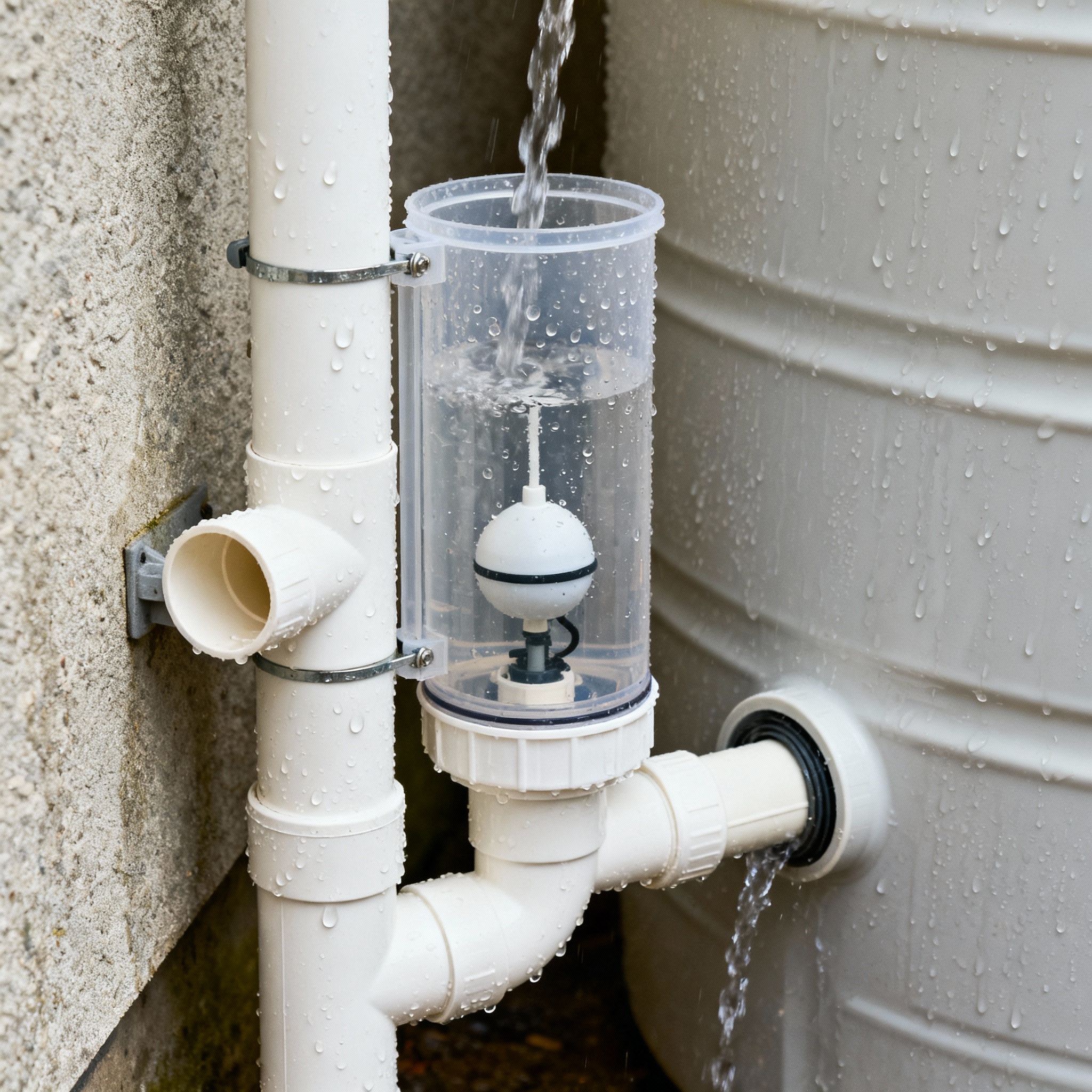
Step 5 First Flush Diverter
The First Flush Diverter reduces pollution of rain water by diverting the first flush of contaminated water away from the tank.
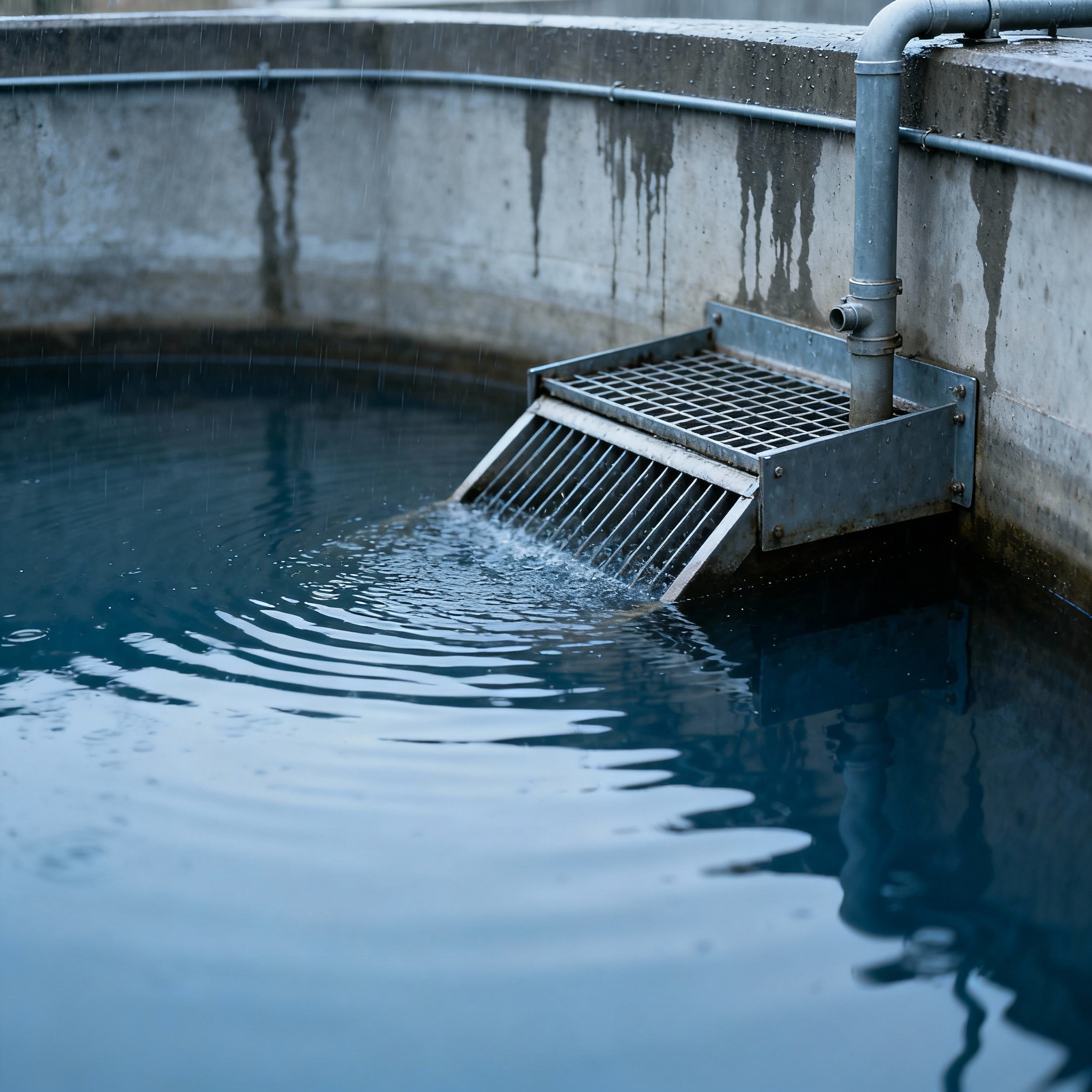
Step 6 Calmed Inlet
Provides a calmed inlet for rainwater entering the storage tank. The calmed inlet avoids disturbing sediment in the bottom of the tank.
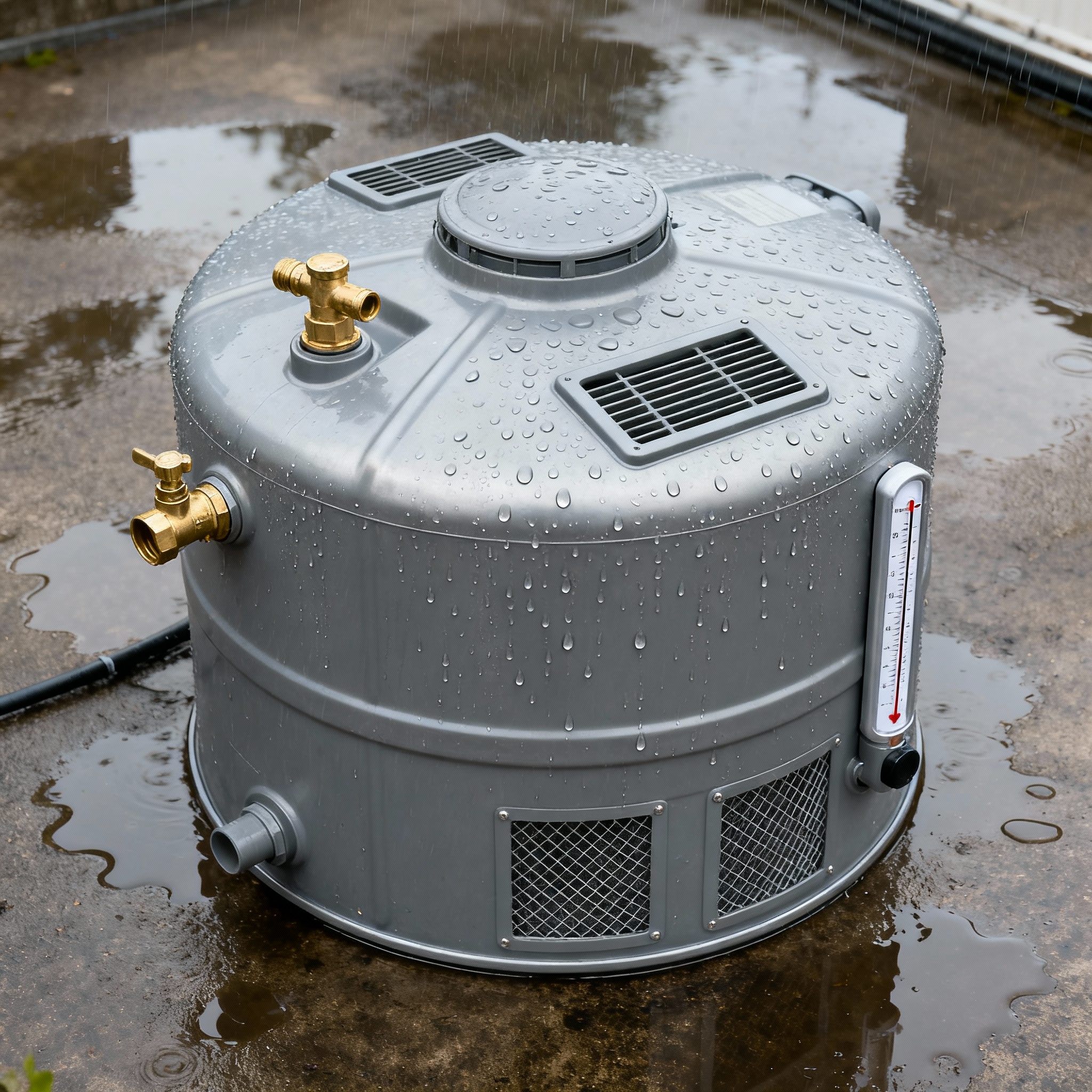
Step 7 Valves , Vents , Meshes and Tank Gauges
Valves provide a means of proper drainage and cleaning of the system, while fitting vents ensures tanks are protected of insects and debris.
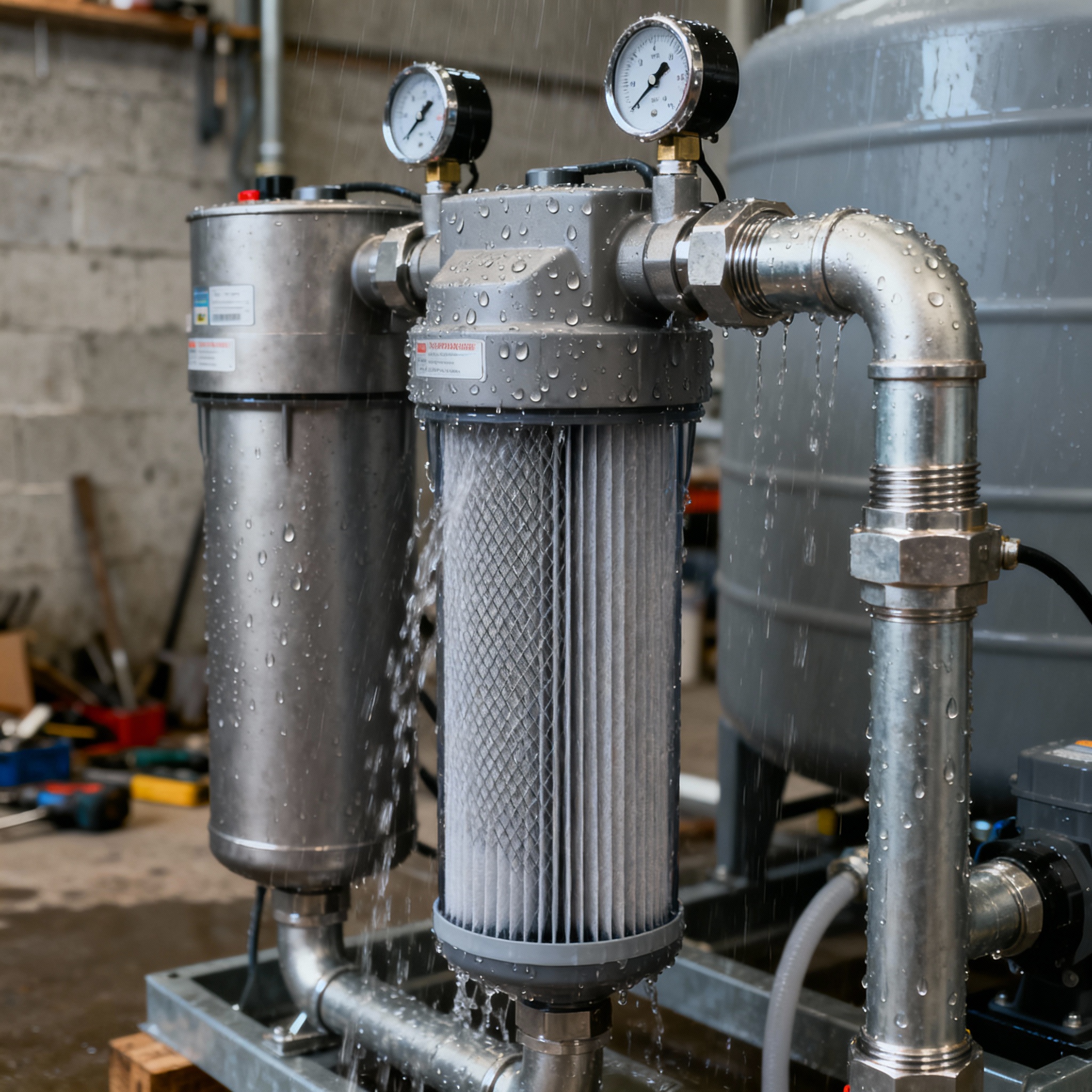
Step 8 Filtration
These filters use activated carbon. These filters can be fitted for drinking and non-drinking purposesThese can be operated electrically with valves and gauges.
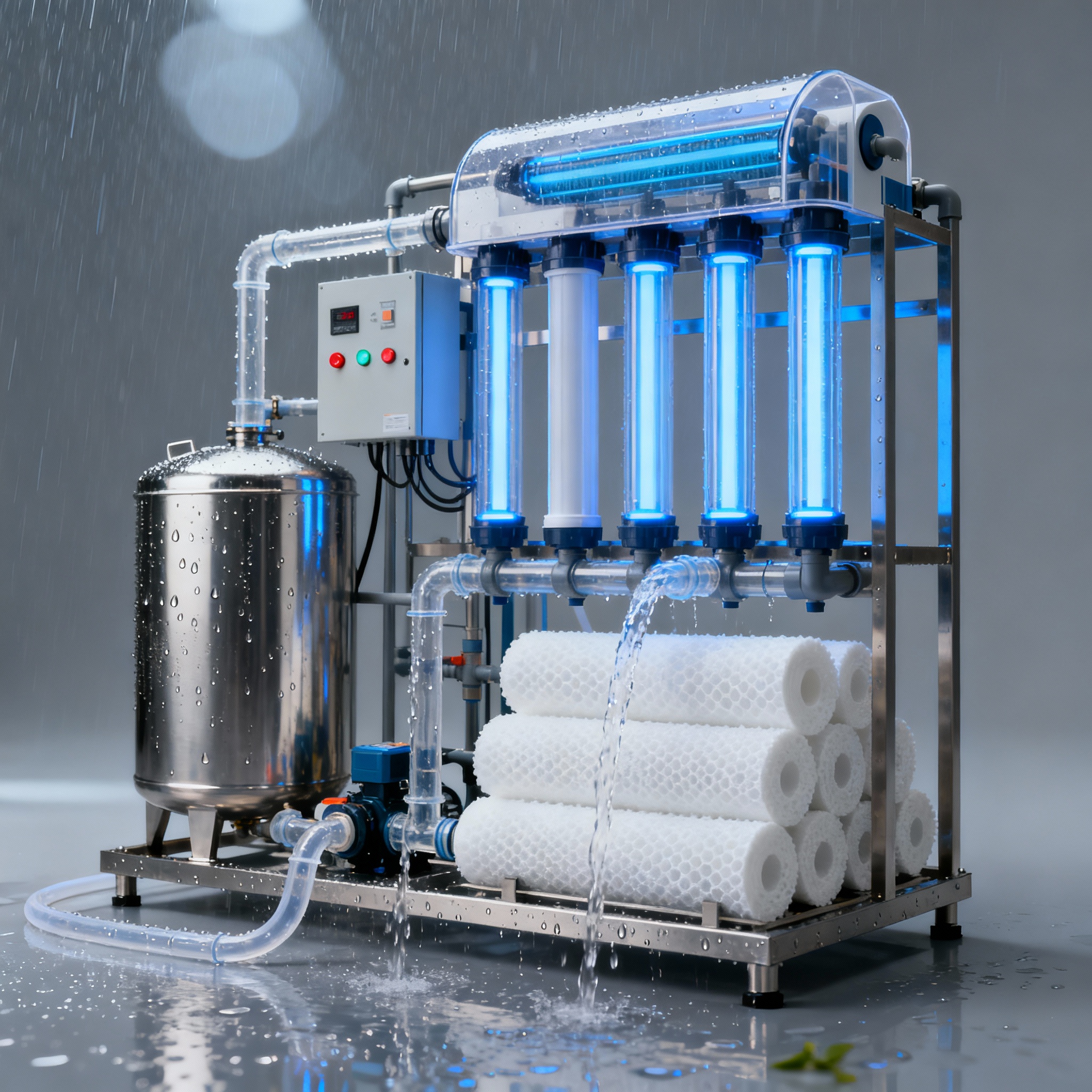
Step 9 Purification
Purification is the final stage in filtering of water for making it potable and usable for domestic use. All filters are designed as UV lights, Reverse Osmosis System, Psi filtration, Membrane and Chlorination Dosing.